Driveway Gate Problems After Austin Weather
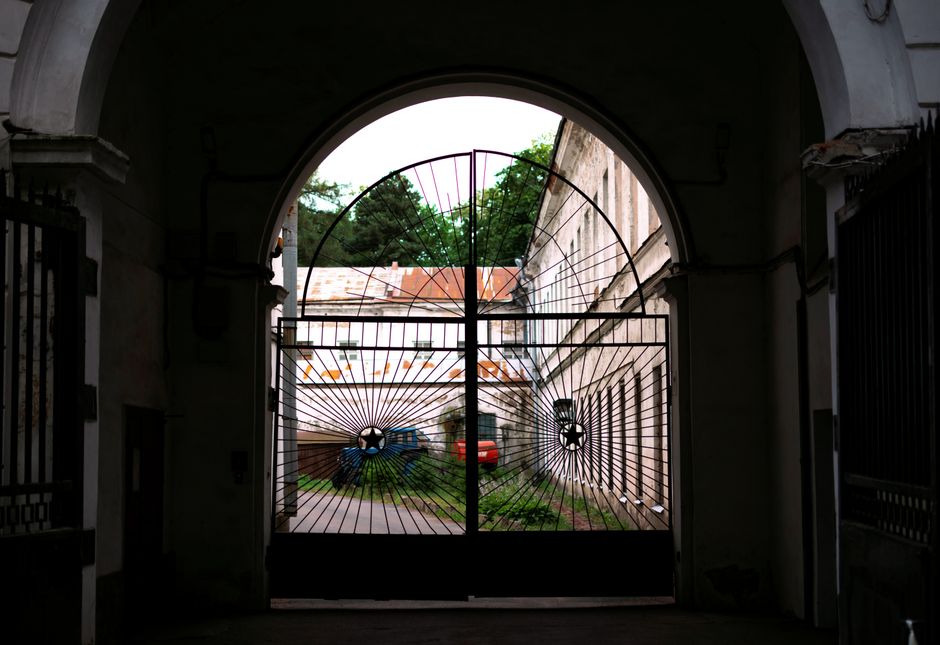
Walk the gate through its full travel by hand with the operator released and watch where the bottom rail touches the ground. The breakdown sitting on metal gates austin go dirty girl lists the usual causes in order, and in Austin, TX the first suspect is almost always the post, because a gate that was true in March can drag by September once the soil under it has moved.
Clay movement and sagging

East of the Balcones Escarpment, shrink-swell clay swells in a wet spring and shrinks in a dry summer, and a hinge post set in a shallow footing follows that movement. The post leans, the leaf drops at the latch end and the gate drags. A single swing gate with a heavy steel frame shows it first. Resetting a post means a deeper footing, usually belled at the bottom, and sometimes a steel plate welded at the hinge to take the load.
Slide gate track and rollers

A slide gate fails differently. Dirt, leaves and mud pack the track after heavy rain, and the rollers flat-spot or seize. A cantilever gate that rides above the ground sags at the tail when the roller carriage loosens, and the tail then scrapes. Clearing the track, greasing the rollers and checking the carriage bolts solves many of these calls. A track set in concrete that cracked and tilted needs a new footing.
Freeze and rust
A hard freeze arrives about every other winter and catches gates with water in their joints. Water sits in open steel tubing and wrought iron scrolls, freezes and splits seams. Galvanized steel and a good powder coat protect the surface, but a weld seam with a pinhole lets moisture in. Drain holes at the bottom of each tube let the water leave, and touch-up paint stops rust along chips from loose gravel.
Rain, drains and the operator
Heavy rain brings its own trouble. A gate operator mounted low floods when the driveway channels runoff toward the post, and the control board shorts. Moving the box up on a pedestal fixes it. A loop detector in a flooded apron can trip constantly, and a photo eye fogs after a cool night. The gate opener and its battery backup should sit above the line where water pools.
What to check first
Check the hinge post for lean with a level, the track for debris, the operator for water and the safety edge and photo eye for damage. A gate that dragged once after a storm may only need a clean track. A gate that sags again within weeks points at a footing that needs redoing near Shoal Creek or any other low spot where the clay stays wet.